The LeStallion Journal Notebook: A Practical Tool for Focused Productivity
For years I chased productivity through apps and digital planners. I tried every to-do list tool, every calendar sync, every notification system that promised to keep me on track. And for a while, the digital route felt efficient. But something was missing. The act of typing a task never quite felt like a commitment. It felt like data entry, not intention. That is when I started looking at physical notebooks again, but with a more critical eye. I needed something that could keep up with my workflow without feeling like a chore to maintain. The LeStallion journal notebook entered my life during that search, and it changed how I think about daily planning.
Why a Journal Notebook Still Matters
There is a reason why so many successful people still carry a notebook. Writing by hand engages your brain differently. It forces you to slow down, to pick what matters, and to commit to it. A journal notebook is not just a place to jot down random thoughts. It is a system for thinking clearly. When I write down a goal in the LeStallion journal notebook, I feel a sense of ownership over it. The physical act of writing makes the goal real. It moves from an idea floating in my head to something I can see and touch.
The problem with most notebooks is that they are just blank pages. They give you a space to write, but no guidance on what to write or how to organize it. That is where a purpose-built journal notebook makes a difference. The LeStallion journal notebook is designed with productivity in mind. It is not a generic diary. It is a tool that helps you structure your day, your week, and your projects without adding unnecessary complexity.
Design and Build: What You Notice First
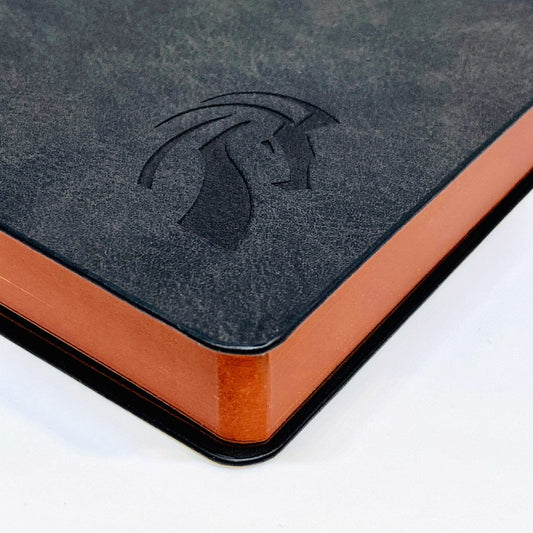
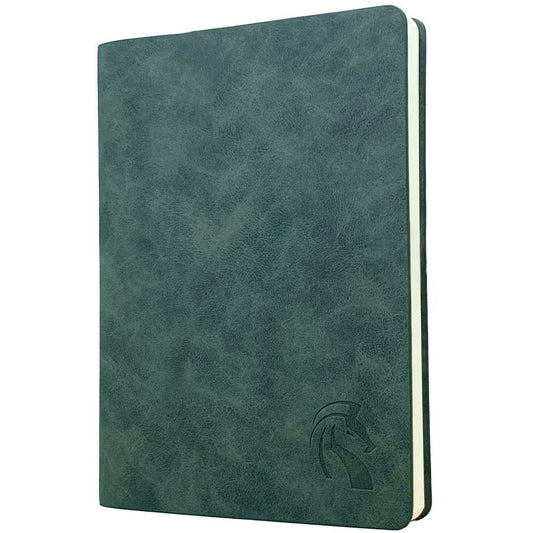
When I first held the LeStallion journal notebook, I noticed the cover. It has a sturdy, textured feel that suggests durability. This is not a notebook that will fall apart after a few months of use. The binding is sewn, which means pages stay in place even when you open it flat. That matters to me because I often write while standing at a desk or sitting in a coffee shop. The pages need to stay put.
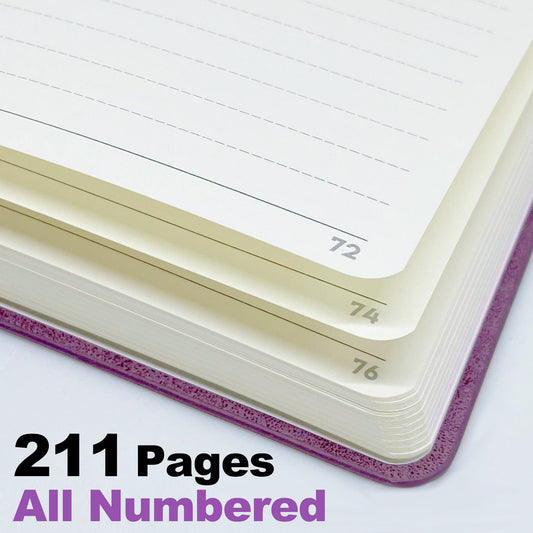
The paper quality is another strong point. It is thick enough to handle fountain pens and rollerballs without bleeding through. I tested it with a few different pens, and the result was consistent: clean lines, no ghosting. The paper has a slight tooth to it, which gives a pleasant writing feel. It is not slick like some mass-market notebooks. It grabs the ink just enough to make writing feel deliberate.
Layout and Structure: More Than Just Lines
The layout is where the LeStallion journal notebook really stands out. It is not a simple ruled notebook. Each page is thoughtfully designed to support different types of thinking. There are sections for daily priorities, for weekly reviews, and for longer-term project planning. The layout encourages you to break down big goals into smaller, actionable steps. That is something I have found incredibly useful.
I used to write my to-do lists in a plain notebook. They would grow and grow until I felt overwhelmed. The LeStallion journal notebook forced me to be more selective. Its structure asks you to identify the most important tasks for the day, not just a long list of everything you could do. That shift alone has saved me hours of wasted effort. It is the difference between being busy and being productive.
One of my favorite features is the weekly review spread. It gives you a dedicated space to reflect on what worked, what did not, and what you want to adjust for the next week. That kind of deliberate reflection is easy to skip when you are just using a plain notebook. But having it built into the journal makes it a natural part of the routine. Over time, those weekly reviews have helped me spot patterns in my productivity. I now know that I am most focused in the morning, so I schedule my hardest tasks then. I also know that I tend to overcommit, and the journal helps me catch that before it becomes a problem.
How It Fits Into a Real Workflow
A good journal notebook should not feel like extra work. It should integrate into your existing habits. I keep the LeStallion journal notebook on my desk next to my computer. At the start of each day, I open it and look at the daily spread. I write down the three most important things I want to accomplish. That takes about two minutes. Then I get to work. During the day, I use the blank space on the page to capture notes from meetings, ideas, and action items. The journal is always within reach, so I never have to dig through a drawer to find it.
At the end of the day, I do a quick review. I check off what I completed and move anything unfinished to the next day. That simple process keeps me from losing track of tasks. It also gives me a sense of closure for the day. When I close the journal at night, I feel like I have a clear picture of what happened and what comes next. That mental clarity is worth more than any app can offer.
Comparing to Other Notebooks
I have used many notebooks over the years. Moleskine, Leuchtturm, and various dot-grid notebooks all have their strengths. But none of them were designed specifically for productivity in the way the LeStallion journal notebook is. Most premium notebooks are great for general note-taking or journaling, but they leave the structure up to you. That works if you already have a system. But if you are looking for guidance, a blank notebook can feel like a blank wall.
The LeStallion journal notebook provides that guidance without being prescriptive. It gives you a framework, but you still have the freedom to adapt it to your style. That balance is hard to find. Some productivity journals are so rigid that they feel like filling out a form. Others are so loose that they offer no real help. This one strikes a good middle ground.
One thing I appreciate is that the journal does not try to do everything. It focuses on daily and weekly planning, with some room for project notes. It does not include habit trackers or gratitude sections or any of the other extras that can clutter a journal. That makes it easier to stick with. I have seen too many people buy elaborate planners, use them for two weeks, and then abandon them because the system was too complicated. The LeStallion journal notebook is simple enough to maintain, but structured enough to make a difference.
Practical Tips for Getting the Most Out of It
If you decide to try the LeStallion journal notebook, here are a few things I have learned that help:
- Use it every day, even if only for five minutes. Consistency matters more than the volume of writing.
- Write your top three priorities before you check email or social media. That way, your day is driven by intention, not by reaction.
- Do not worry about perfect handwriting. The journal is a tool, not a work of art. Scrawled notes are fine as long as they are useful to you.
- Review the weekly spread every Sunday evening. It takes ten minutes and sets up the whole week ahead.
- Keep the journal open on your desk during the day. Out of sight leads to out of mind.
These practices have made the journal a natural part of my routine. It does not feel like extra work. It feels like a support system for my brain.
Who Should Consider This Journal
The LeStallion journal notebook is a good fit for anyone who wants to be more intentional about their time and energy. It works well for freelancers, entrepreneurs, and anyone with a lot of competing priorities. If you have tried digital planning and found it lacking, this physical alternative might be what you need. It is also a solid choice for people who value the act of writing and want a notebook that respects that craft.
It is probably not the best choice if you are looking for a pure creative journal or a sketchbook. The layout is geared toward planning and reflection, not free-form expression. If you need blank pages for drawing or unstructured brainstorming, a dot-grid notebook might serve you better. But for structured productivity, this is one of the best options I have found.
Final Thoughts on the LeStallion Journal Notebook
After using the LeStallion journal notebook for several months, I can say that it has earned a permanent place on my desk. It is not a magic solution. You still have to do the work. But it makes that work easier by providing a clear, thoughtful structure for planning and reflection. The quality of the materials is excellent, the layout is genuinely useful, and the overall design supports a productive mindset without getting in the way.
If you are on the fence about trying a physical journal for productivity, this is a good place to start. It does not require a huge time commitment, and the benefits compound over time. A few minutes each day, a weekly review, and a willingness to be consistent can transform how you approach your work. The LeStallion journal notebook is a tool that helps you do exactly that.